February 27, 2026

How Public Transit Riders Expect to Pay and Travel in 2026

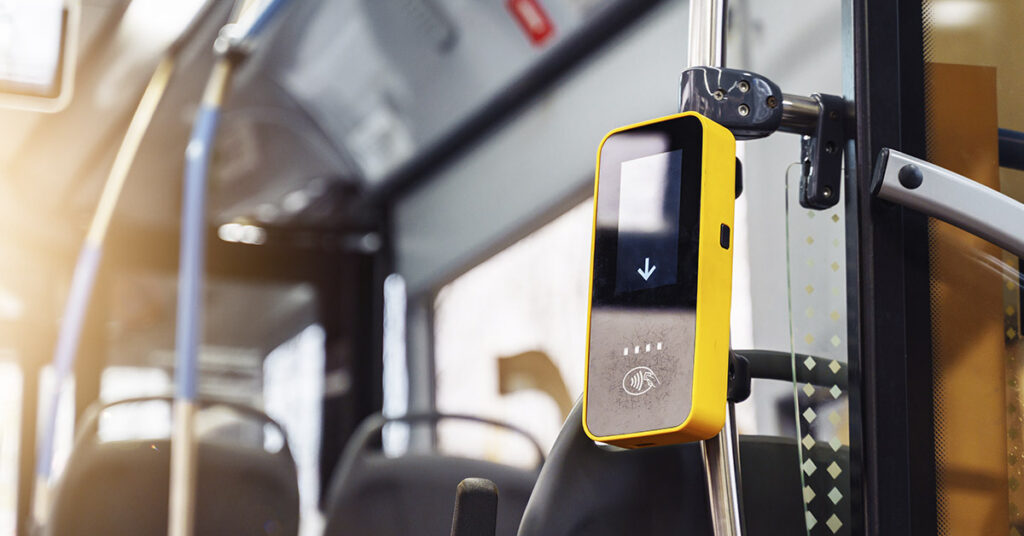
Public transit in 2026 is defined by integration. Riders expect contactless payments, account-based ticketing, real-time journey updates, and seamless multimodal travel. Learn how transit agencies are aligning fare systems, operational platforms, and mobility services to meet evolving expectations.
February 26, 2026

Why Real-Time Matters More Than On-Time in Public Transit

While on-time performance has long been the standard metric for transit reliability, passengers experience reliability through real-time certainty rather than schedule adherence alone. Accurate, integrated real-time information not only improves rider trust and satisfaction but also enables agencies to manage operations proactively and respond intelligently to disruptions.
January 28, 2026

MaaS vs. Reality: What Cities Actually Need from Journey Planning

The article argues that while integrated, multi-modal journey planning remains essential for sustainable urban mobility, the term “Mobility-as-a-Service” has become misleading and unhelpful due to unclear definitions and failed commercial models. Instead, cities should treat journey planning and Find–Book–Pay capabilities as publicly owned digital infrastructure, governed and funded as part of long-term transport policy rather than venture-led consumer products.
January 15, 2026
Enghouse Transportation Transit Authorities Journey Planner Blog Banner Image

Do Transit Authorities Need a White-Label Journey Planner or Just Better Transit Data? 

Many transit authorities explore white-label journey planners to improve the passenger experience, but capacity constraints can influence what is feasible in practice. From a rider’s perspective, trust and reliability are what matter most, and these depend on accurate, well-maintained data. Building a strong data foundation can meaningfully improve service today while supporting future passenger-facing initiatives.