


#image_title
Public transit agencies are operating in an increasingly demanding environment. Riders expect fast, reliable, and connected travel experiences, while agencies continue managing staffing shortages, tighter budgets, aging infrastructure, and growing operational complexity.
Efficiency is no longer measured only by schedule adherence or operational cost reduction. Modern transit efficiency also depends on how effectively agencies:
To meet rising expectations while maintaining service reliability, agencies are investing in digital transit tools that improve operational visibility and create a more connected rider experience.
Contactless Payments and Automated Fare Collection
Traditional cash and paper ticket systems are costly to manage and can slow boarding times, particularly on busy urban routes.
Research shows that digital fare systems supporting contactless payments, mobile ticketing, and smart card technology can reduce boarding delays and improve operational efficiency.
Mobile fare payment technologies also reduce the time passengers spend purchasing tickets and boarding vehicles, helping agencies improve service flow and reduce dwell times.
Modern automated fare collection (AFC) systems support:
These efficiencies become increasingly important as agencies work to maintain service levels with limited operational resources.
Account-Based Ticketing and Open-Loop Payments
Account-based ticketing simplifies fare management for both agencies and riders.
Instead of storing fare data directly on a card or device, fare processing is managed securely through cloud-based systems. This enables:
Open-loop payment systems also allow passengers to use contactless bank cards or mobile wallets directly at fare gates and onboard validators.
Modern fare technologies provide agencies with more consistent ridership and transaction data, supporting better planning, forecasting, and revenue management.
Real-Time Data Improves Service Delivery
Traditional static schedules rely on delayed reporting and limited operational visibility. In contrast, real-time transit information allows agencies to respond dynamically as service conditions change.
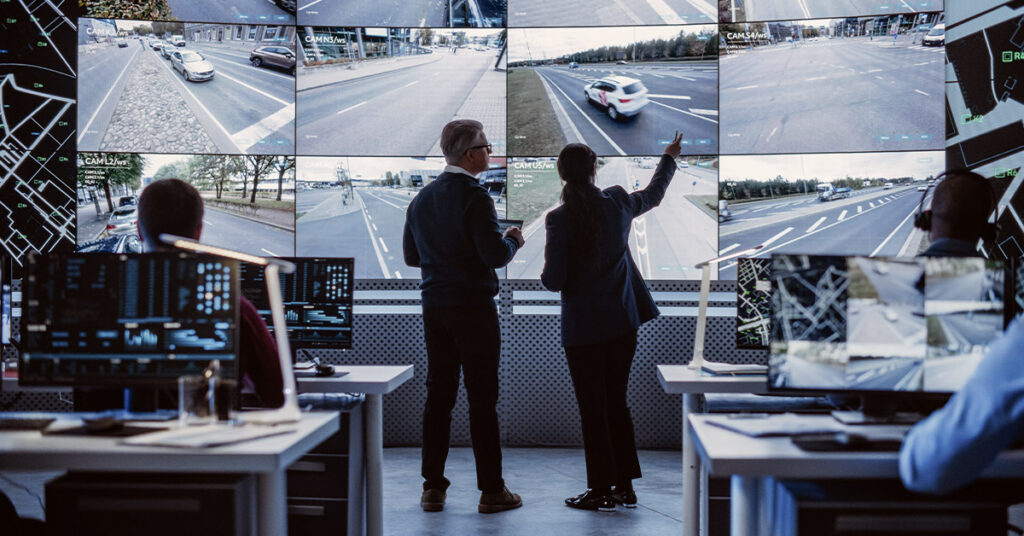
Research shows that sharing real-time transit information (RTI) with both riders and operations teams can reduce passenger waiting times and improve accessibility.
A field study found that providing RTI to passengers reduced average waiting times by approximately three minutes on selected routes. This improvement supports both operational efficiency and passenger satisfaction.
As discussed in Enghouse Transportation’s article on real-time transit reliability and passenger confidence, riders often value accurate information as much as schedule adherence.
Live operational data also allows agencies to:
Reducing uncertainty around arrival and departure times improves rider confidence and enhances the overall perception of transit reliability.
Mobile Journey Tools Support Better Passenger Experiences
Transit riders increasingly expect digital tools that support the full passenger journey, not just ticket purchasing.
Modern mobility platforms combine:
into a single user experience.
These platforms help riders:
At the same time, digital self-service tools reduce dependence on physical ticketing infrastructure and improve operational efficiency for agencies.
Transit agencies are increasingly using digital workforce and dispatch tools to improve operational coordination.
Modern transit management platforms can help agencies:
By combining operational data with workforce management tools, agencies can better balance service demand, staffing availability, and vehicle utilization.
This improves operational flexibility while reducing unnecessary service inefficiencies.
Transit agencies generate large volumes of operational and ridership data every day. Predictive analytics tools help agencies convert this data into actionable operational insights.
Integrated analytics platforms can help agencies:
This allows agencies to move from reactive reporting toward more proactive service management and continuous operational improvement.

Transit efficiency also depends on how easily passengers can move across different transportation modes.
Integrated mobility platforms support connected journeys between:
Mobility as a Service (MaaS) platforms combine trip planning, booking, payment, and service information into a unified digital experience.
Integrated multimodal systems help agencies:
Improving multimodal coordination creates a more usable and accessible transportation network for passengers.
As transit agencies expand digital fare collection and connected operations, security and compliance remain critical priorities.
Modern transit payment and operations platforms typically support:
Strong security standards help agencies protect passenger data, safeguard revenue, and support confidence in digital transit services.
What is account-based ticketing?
Account-based ticketing is a fare collection system where payment and fare rules are managed through a secure back-end platform rather than stored directly on a card or device.
How does real-time data improve transit efficiency?
Real-time data helps agencies respond more quickly to disruptions, improve scheduling decisions, reduce passenger uncertainty, and optimize service delivery.
What is Mobility as a Service (MaaS)?
Mobility as a Service combines trip planning, ticketing, payment, and multimodal transportation services into a single digital platform.
Why are contactless payments important for public transit?
Contactless payments reduce boarding times, simplify fare collection, lower cash handling requirements, and improve passenger convenience.
Supporting More Efficient Transit Operations
Enghouse Transportation provides integrated transit management, fare collection, passenger communication, and mobility solutions designed to help agencies improve operational efficiency and service reliability.
By connecting operational systems with real-time passenger information and digital fare technologies, agencies can improve visibility across the network while delivering a more connected rider experience.
Explore how integrated transit management and fare technologies can support more efficient, data-driven operations. Contact us to discuss your agency’s goals and operational requirements.