ETPS stacked color trimmed
  • English
    • English
    • Norsk Bokmål
    • Svenska
    • Dansk
  • Solutions
    • Transit Management
    • Public Safety
    • Transport Management Systems & Logistics
    • Contact Center for Transportation
  • Resources
    • Blog
    • Infographics
    • eBook
    • Success Stories
    • Product Overview
    • Solution Brochure
    • Webinars & Videos
    • Whitepapers
  • About Us
    • Acquisitions
    • News
    • Partners
    • Careers
  • Events
  • Support
  • Contact
  • English
    • English
    • Norsk Bokmål
    • Svenska
    • Dansk
  • Solutions
    • Transit Management
    • Public Safety
    • Transport Management Systems & Logistics
    • Contact Center for Transportation
  • Resources
    • Blog
    • Infographics
    • eBook
    • Success Stories
    • Product Overview
    • Solution Brochure
    • Webinars & Videos
    • Whitepapers
  • About Us
    • Acquisitions
    • News
    • Partners
    • Careers
  • Events
  • Support
  • Contact
Enghouse Transportation - Nottingham and Derby - Launch Ride App - PR
Trafi and Nottingham City Council Launch ‘Ride’ App for Smarter Journey Planning Across Nottingham and Derby Region
March 13, 2026

What Makes Riders Choose Transit: Payments, Information, and Experience

Categories
  • Blog
Tags
  • Fare Collection
  • maas
  • Passenger Experience
  • Public Transit
  • Real Time Information
Enghouse Transportation - TM - Riders Choose Transit - Blog - Main

How contactless payments, real-time passenger information, and connected mobility improve the transit experience

Ridership is gradually recovering across many transit systems in North America and Europe. However, the way people travel has changed. Flexible work schedules, digital services, and new mobility options mean that public transit must compete not only on availability but also on convenience.

For many riders, the decision to use transit depends on how easy and predictable the overall experience is. Clear travel information, simple fare payment, and reliable service updates all influence whether people choose public transportation for everyday trips.

According to the American Public Transportation Association (APTA), improving service reliability and customer experience is closely linked to long-term ridership recovery.

As agencies modernize their services, three factors are increasingly shaping rider choices: easy payments, real-time information, and connected mobility services.

Simple Fare Payment Removes Barriers

One of the first interactions riders have with a transit system is how they pay for their trip. When fare payment is slow or complicated, it can discourage occasional riders and create delays during boarding.

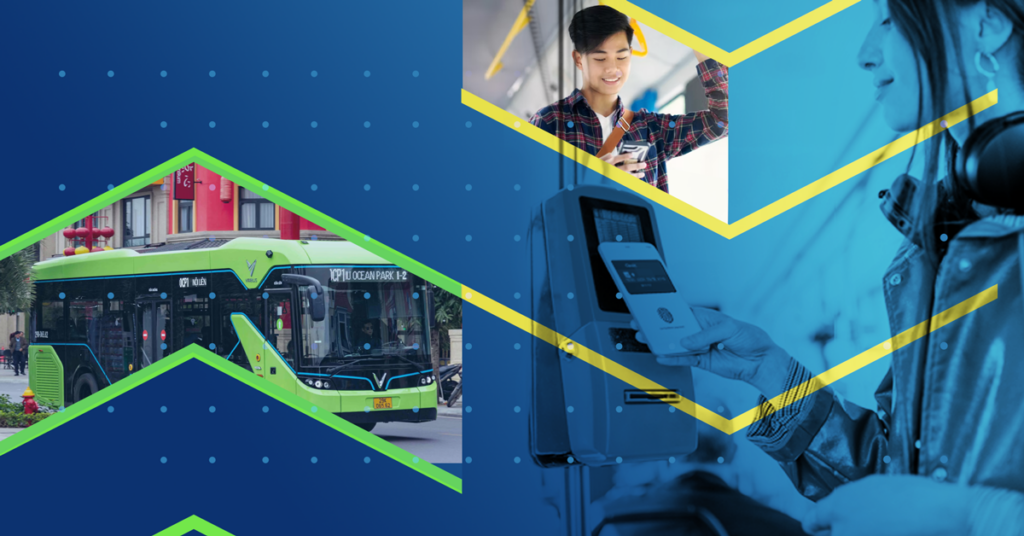
Many transit agencies are addressing this challenge by adopting contactless fare systems. These systems allow riders to tap a bank card, transit card, or mobile wallet to pay instantly, helping reduce queues and speed up boarding.

Modern fare systems often include:

  • Account-based ticketing (ABT), where fares are linked to a rider account rather than a physical card
  • Open-loop payments, allowing riders to use contactless bank cards or mobile wallets
  • EMV card acceptance, supporting standard contactless payment technology
  • Mobile payment integration, enabling fares to be purchased and stored on smartphones

Transit agencies are increasingly investing in digital fare systems and service improvements as part of broader efforts to improve rider experience and support ridership recovery (APTA, 2025).

In addition to making payment easier for riders, digital fare systems provide valuable data that can help agencies better understand travel patterns, improve service planning, and design more flexible fare policies.

Real-Time Information Builds Rider Confidence

Uncertainty is one of the main reasons people hesitate to use public transit. When riders are unsure about arrival times or service disruptions, they may choose other travel options.

Real-time passenger information helps address this challenge. By providing accurate updates about arrivals, delays, and route changes, agencies allow riders to plan their journeys with greater confidence.

Effective passenger information systems typically provide:

  • Real-time arrival predictions for buses and trains
  • Alerts about service disruptions or delays
  • Alternative route suggestions during disruptions

Recent rider surveys highlight the importance of these capabilities. The Chicago Regional Transportation Authority Customer Satisfaction Survey (2025) found that clear travel information and reliable service updates are among the most important factors influencing rider satisfaction.

When riders can easily access accurate information through mobile apps, digital displays, and online platforms, public transit becomes easier to navigate and more reliable to use.

Connected Mobility Expands Transit Options

Public transit is increasingly part of a broader urban mobility ecosystem. Riders often combine buses, trains, bike-share, and other shared services to complete a single journey.

Digital mobility platforms are helping integrate these services into a more seamless travel experience. According to the International Association of Public Transport (UITP), Mobility as a Service (MaaS) integrates different transport services into a single digital mobility offering for users.

Many transit agencies are exploring mobility platforms that connect journey planning, ticketing, and service information across multiple transport modes.

For example, Berlin’s BVG Jelbi platform brings together public transport, bike-share, scooters, and other shared mobility services into a single journey planning application.

By connecting transit with other mobility services, agencies can make public transportation a more convenient option for a wider range of trips beyond the traditional commute.

Improving the Rider Experience

For today’s passengers, public transit is not only about getting from point A to point B. Riders are more likely to choose transit when the system is easy to understand, easy to pay for, and supported by reliable real-time information.

Transit agencies that invest in digital fare systems, passenger information platforms, and integrated mobility services are better positioned to attract and retain riders.

These technologies not only improve passenger experience but also provide valuable operational data that agencies can use to improve service planning and system performance.

Enghouse Transportation solutions support these capabilities by helping transit agencies improve passenger communication, modernize fare collection, and deliver the real-time information riders expect.

For a deeper look at how payments, passenger information, and integrated mobility technologies are shaping the future of public transit, download the “What Makes Riders Choose Transit: Payments, Information, and Experience” Whitepaper.
Share
1

Related posts

Enghouse Transportation - TM - Public Riders Pay Travel - Blog

February 27, 2026

How Public Transit Riders Expect to Pay and Travel in 2026


Read more

#image_title

February 27, 2026

What’s Working for US Transit Agencies in 2026: Ridership Recovery & Innovation


Read more

#image_title

February 26, 2026

Why Real-Time Matters More Than On-Time in Public Transit


Read more
Enghouse Transportation + Public Safety Logo-Reverse-Low Res

Your trusted transportation operations software provider.

Linkedin

Company

  • About Us
  • Careers
  • Contact
  • Privacy
  • Accessibility
  • Transparency Act

© All rights reserved

Enghouse Transportation