One of the great arguments for the primacy of the private car has always been its convenience. It’s easy to leave your home, jump in your car, and then drive where you want to go. Ignoring fuel and maintenance costs, congestion, and the frustrations of driving in busy urban areas, it’s always been a compelling argument.
However, when people are offered alternatives to private cars that are reliable and convenient enough, they will often vote with their feet and opt for public transportation. Cities such as London, Paris, and New York, each with comprehensive around-the-clock transit systems have considerably lower levels of private vehicle ownership than towns and cities without comparable systems. An efficient, reliable transit system often frees people from the cost and hassle of maintaining a vehicle.
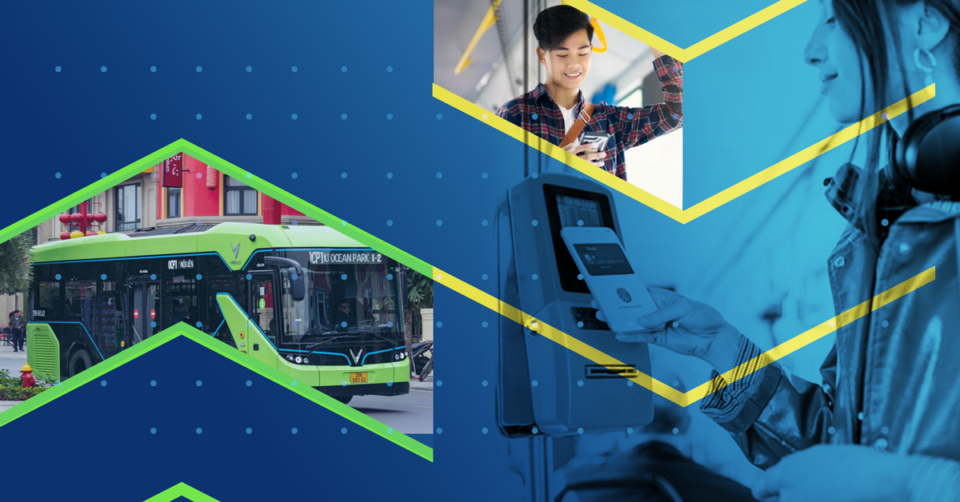
Over recent years, cities and regions around the world have been introducing greater flexibility into their transportation systems. Automated Fare Collection (AFC) systems enable transit providers to introduce ‘tap and go’ payment, allowing passengers to hop on and hop off transit, with their journey being tracked and relevant charges being applied.
Fare calculation makes use of GPS technology or integration with an existing positioning system to allow for the exact location of the passenger to be determined for billing purposes.
Enhanced Integration & Interoperability
AFC systems are becoming increasingly compatible with several different payment methods, including smart cards, debit and credit cards, e-commerce platforms, and mobile payment. This allows for increased integration and interoperability across a local transit network, connecting different services and enhancing accessibility. Riders can take a bus, pick up a city bike, jump on a train and then hire a scooter for the final mile of their journey, simply tapping their card as they go.
This interoperability is essential for creating the integrated transport infrastructures that passengers require for spontaneous travel. When enough transport providers are using a compatible fare collection method, a truly integrated network begins to emerge.
Reducing barriers to travel
Automated Fare Collection makes it easier for people to travel. Even if someone is unsure about exact routes or even where they are going, they can board a bus or train and make decisions as they travel. This helps to mirror some of the convenience offered by the private car, with people able to hop on and off transit as they see fit.
There’s no need to find the right change or know the state where you are travelling to when a passenger speaks to the driver or ticket seller. EMV systems remove the need for passengers to purchase dedicated travel cards that need to be loaded with funds before travel. Instead, riders are charged for the exact distance they travel after they have completed their journey.
Developing customer-centric transit
AFC solutions are a key component in creating customer-centered transit. Used alongside customer access to real-time information through mobile apps, ‘tap and go’ systems empower passengers to make informed decisions about their travel options. Mobile apps can also be used to provide customers with up-to-date information about different travel options, with AFC ensuring they can access those options with minimal disruption.
AFC systems make a practical difference to the rider experience, from added convenience to speeding up the boarding process. Dwell times at stations are reduced, and the risk of errors that sometimes occur with traditional ticketing systems is minimized.
A new era of flexible travel
Flexible travel beyond the car is growing in popularity. The number of young people in the developed world choosing not to learn to drive increases year on year, and the growth of ride-sharing apps shows little sign of abating. Technology is levelling the playing field when it comes to travel convenience between the private car and other options. Automated Fare Collection systems are a key component in this shift, contributing to a new era of flexible travel.
Supporting spontaneous travel with the Enghouse Transportation AFC solution
The Enghouse Transportation Automated Fare Collection solution makes travel more spontaneous, flexible and integrated while allowing operators to reduce costs. It can enable seamless city and regional travel, reducing the threshold to access the use of public transport, while ensuring user data and operator revenue is safe.
It can form a key component of a strategy to promote more flexible and spontaneous travel, enhancing the desirability of transit as an option.
Our team of experts are highly experienced in implementing AFC systems in different cities and regions across the world. We can address any concerns you have and ensure that the process is as swift and cost-effective as possible.