


#image_title

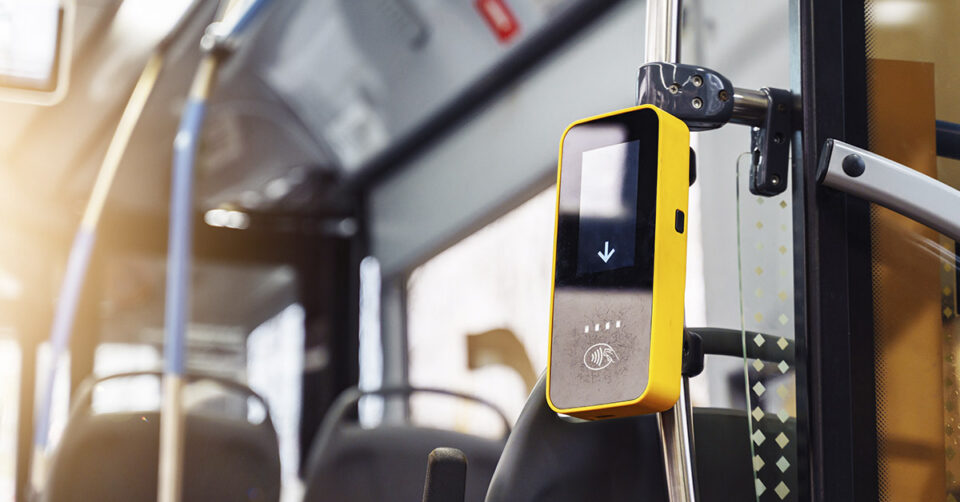
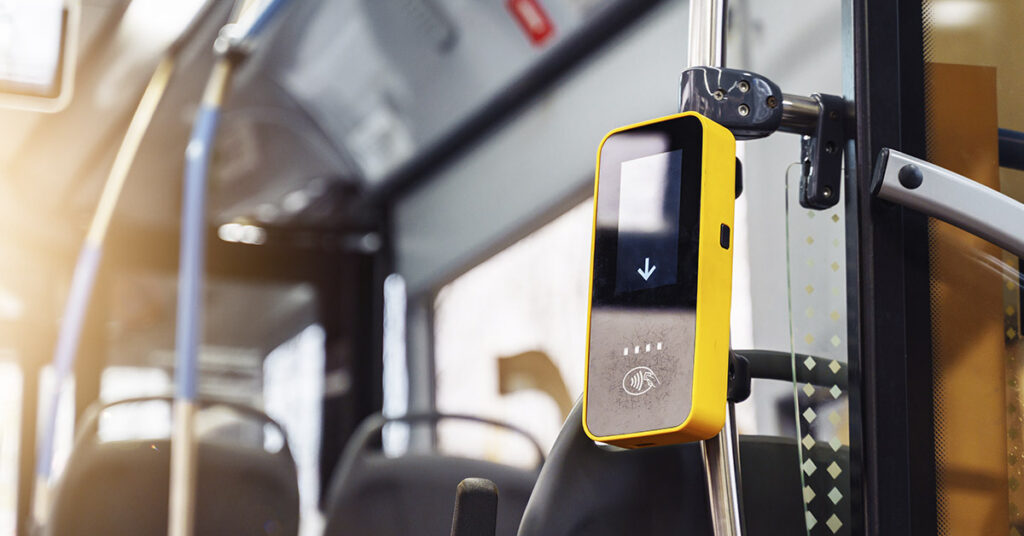
Contactless and digital payments are becoming near-standard expectations among riders. Systems that can accept mobile ticketing, contactless bank cards (EMV), and account-based ticketing ensure a faster boarding process. Dwell times can be reduced which improves service reliability and strengthens rider confidence.
The shift towards cashless, contactless payment options is translating into measurable benefits:
Enghouse Transportation’s Automated Fare Collection (AFC) and ticketing solutions are designed to support this evolution. This enables agencies to move away from expensive legacy hardware towards electronic fare collection with integrated mobile payments and open loop ticketing.
The integration of real-time data into rider communications is one of the most significant developments in public transit over recent years. Mobile apps and digital signage provide live bus and train times, reduce uncertainty and make transit more appealing to a wider range of riders.
Real-time systems can also support trip reminders, ensuring that riders remain informed and engaged. Deploying real-time information sees higher rider satisfaction and perceptions of reliability. With greater trust underpinning sustainable ridership growth, enhanced passenger information is a key element of the current bounce back.
Predictive analytics are a game changer for transit agencies. Using historical trends and live data, they can anticipate peak periods and adjust service delivery for better fixed route scheduling, demand response planning, and dispatch optimization.
Used intelligently, predictive analytics can boost efficiency and rider trust.
Smart operational tools can support broader goals such as route optimization, transit efficiency, and resource allocation.
Mobility as a Service (MaaS) and integrated journey planning platforms are enabling agencies to expand beyond traditional models to better serve their customers. These platforms can unify trip planning, fare payment, and multimodal routing into a single user experience. This supports moves towards more sustainable urban mobility and gives residents a genuine alternative to costly private car dependency.
Riders increasingly value services that combine schedules, maps, mobile ticketing, and payments within a single interface. This makes public transit part of an end-to-end journey platform.
Enghouse Transportation has been active in developing modern fare systems that meet the needs of dynamic agencies and their riders.
These innovations deliver real improvements to the traveler experience and also supports long-term revenue management goals while simplifying operations. Fare system innovations can support agency sustainability and ridership growth goals.
While the trajectory of increased ridership is cause for optimizing, agencies continue to confront a range of complex challenges:
However, agencies that continue to innovate and invest in the latest technology are well placed to address these challenges. Agencies that are using contactless and mobile fare systems and can offer real-time customer information are seeing the strongest ridership recoveries.
Data increasingly demonstrates that passenger numbers are strengthening across the US, with riders increasingly expecting seamless travel experiences. Agencies that innovate in areas such as Automated Fare Collection, digital payments, and real-time information, and Mobility as a Service, are well-placed to meet changing customer expectations.
Enghouse Transportation’s range of transportation solutions are enabling agencies to meet riders expectations and build efficient systems ready for future mobility demands.
Speak to our expert team to discuss your requirements.