ETPS stacked color trimmed
  • English
    • English
    • Norsk Bokmål
    • Svenska
    • Dansk
  • Solutions
    • Transit Management
    • Public Safety
    • Transport Management Systems & Logistics
    • Contact Center for Transportation
  • Resources
    • Blog
    • Infographics
    • eBook
    • Success Stories
    • Product Overview
    • Solution Brochure
    • Webinars & Videos
    • Whitepapers
  • About Us
    • Acquisitions
    • News
    • Partners
    • Careers
  • Events
  • Support
  • Contact
  • English
    • English
    • Norsk Bokmål
    • Svenska
    • Dansk
  • Solutions
    • Transit Management
    • Public Safety
    • Transport Management Systems & Logistics
    • Contact Center for Transportation
  • Resources
    • Blog
    • Infographics
    • eBook
    • Success Stories
    • Product Overview
    • Solution Brochure
    • Webinars & Videos
    • Whitepapers
  • About Us
    • Acquisitions
    • News
    • Partners
    • Careers
  • Events
  • Support
  • Contact
What’s Working for US Transit Agencies in 2026: Ridership Recovery & Innovation
February 27, 2026

How Public Transit Riders Expect to Pay and Travel in 2026

Categories
  • Blog
Tags
  • Automated Fare Collection
  • Mobility as a Service

Enghouse Transportation - TM - Public Riders Pay Travel - Blog

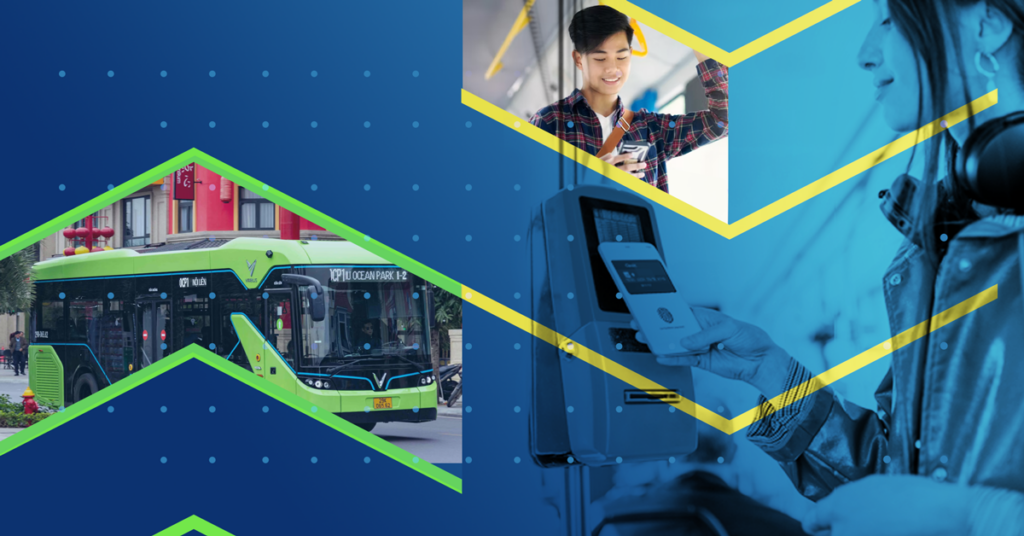
Public transit in 2026 reflects a permanent shift toward digital-first mobility. Riders expect fast contactless payments, real-time journey updates, fare transparency, and seamless multimodal travel from public transit agencies.

The Global Transit Ticketing & Fare Collection Report (2025 Edition) analyzes fare collection systems across approximately 1,000 cities worldwide, including deployments of contactless smartcards, bank cards, mobile ticketing, and account-based ticketing architectures. The report highlights the growing diversity of fare media and regional approaches to open and interoperable payment systems.

The expectation is no longer modernization; it is integration. The International Association of Public Transport (UITP) identifies digitalization, interoperable ticketing, and integrated mobility platforms as key pillars of transit system modernization worldwide.

Here is what transit riders increasingly expect in 2026.

Why Contactless Payments Are Now the Baseline

Tapping to pay is becoming the standard experience across major transit systems.

Modern deployments support:

  • EMV contactless bank cards
  • Mobile wallets
  • Smart cards
  • QR-based mobile tickets

New York’s OMNY system allows riders to tap a contactless card or mobile device across subways and buses, replacing legacy MetroCard infrastructure.

Contactless fare systems reduce cash handling, speed up boarding, and improve schedule adherence. As discussed in our article on how tap-and-go payments are shaping spontaneous travel, reducing payment friction also supports more flexible, short-notice travel behavior.

What is Account-Based Ticketing (ABT)?

Account-Based Ticketing (ABT) stores fare entitlements in a secure back-office account rather than on a physical card. Riders tap with any linked credential, and the system calculates the correct fare in real time.

This model enables:

  • Fare capping
  • Device-agnostic access
  • Simplified concession management
  • Lost-card protection

Transport for London’s contactless and account-based fare model is one of the most established examples of ABT on a scale. This pay-as-you-go fare innovation is being trialed on rail services in England, automatically calculating the optimal fare using app-based check-in.  This gives agencies the ability to combine flexibility with predictable pricing, helping both riders and transit planners streamline travel and fare collection.

For agencies evaluating implementation strategies, our transit agency roadmap for mobile payment solutions whitepaper outlines key technical and operational considerations.

Why Fare Capping Improves Equity and Transparency

Fare capping ensures riders automatically receive the lowest available fare over a day, week, or month.

Benefits include:

  • No need to pre-purchase passes
  • Protection against overpayment
  • Improved accessibility for low-income riders
  • Clearer fare policy communication

Automatic fare optimization reduces complexity for both riders and customer service teams.

Real-Time Information Is Now Expected

Digital commerce has shaped riders’ expectations. Transit users want immediate updates and accurate arrival information.

Modern transit apps increasingly provide:

  • Live vehicle tracking
  • Service alerts
  • Integrated ticket validation
  • Multimodal route planning

The California Integrated Travel Project (Cal-ITP) promotes open-loop payment standards and interoperability across agencies to improve rider experience and fare system consistency.

Payment is no longer separate from journey planning; it is embedded within it.

Supporting Unbanked and Cash-Reliant Riders

As digital systems expand, equitable access remains critical.

Best practices include:

  • Retail cash top-up networks
  • Reloadable smart cards
  • Fare capping protections
  • Integrated reduced-fare programs

Transit agencies increasingly design systems that combine digital innovation with inclusive fare access.

Incentive programs can also support adoption and engagement, as explored in Boosting ridership with transit rewards programs article.


What Is Mobility as a Service (MaaS)?

Mobility as a Service (MaaS) integrates trip planning, booking, and payment across multiple transport modes into a unified digital interface. MaaS platforms typically combine:
  • Bus and rail
  • Paratransit
  • Micro-mobility
  • Shared services
However, integration challenges often determine success. As explored in MaaS vs. Reality: What Cities Actually Need from Journey Planning, governance, interoperability, and sustainable funding models are critical. By 2026, riders increasingly expect unified payment and real-time coordination across transport modes. Data, Security, and Operational Visibility Modern fare systems generate valuable operational data, enabling agencies to analyze:
  • Peak usage patterns
  • Transfer behavior
  • Revenue streams
  • Service bottlenecks
Security measures such as EMV tokenization, encryption, and fraud monitoring help protect rider data and safeguard revenue. Integration between fare collection, operational management, and analytics platforms allows agencies to move from reactive service adjustments to proactive planning.

2026: Integration Defines the Next Phase

Transit modernization is no longer about deploying individual technologies. The defining characteristics of leading systems in 2026 include:
  • Open-loop fare architecture
  • Account-based back offices
  • Real-time passenger information
  • Equity-focused fare policy design
  • Multimodal interoperability
Agencies that prioritize integration across payments, planning, and operations will be better positioned to meet evolving riders’ expectations. The rider expectation is clear: payment, planning, and travel should function as a single connected experience. For transit agencies, the next phase of modernization will depend less on deploying individual technologies and more on integrating them into a unified, interoperable ecosystem. Agencies that prioritize flexibility, data integration, and equitable access will be best positioned to adapt to shifting travel patterns and long-term mobility demands. To explore how integrated transit management and fare collection platforms can support your agency’s 2026 roadmap, schedule a conversation with our transportation specialists.
Share
1

Related posts

#image_title

February 27, 2026

What’s Working for US Transit Agencies in 2026: Ridership Recovery & Innovation


Read more

#image_title

February 26, 2026

Why Real-Time Matters More Than On-Time in Public Transit


Read more
February 20, 2026

The Cost of Friction: Why Transit Payment Modernization Can’t Wait


Read more
Enghouse Transportation + Public Safety Logo-Reverse-Low Res

Your trusted transportation operations software provider.

Linkedin

Company

  • About Us
  • Careers
  • Contact
  • Privacy
  • Accessibility
  • Transparency Act

© All rights reserved

Enghouse Transportation