Transit agencies needing to grow and sustain ridership levels have long struggled with a fundamental question: How to wrest car-centric Americans from their personal vehicles.
The vast majority of U.S. transportation happens in cars, and 75% of all commutes are made by driving alone. In an auto-centric society like ours, this type of commute can bring a traveler conveniently from their doorstep to their destination without vehicle transfers, multiple types of payment, or uncertain wait times.
But this convenience comes with costs. High volume pushes road infrastructure to its breaking point, resulting in traffic jams and prolonged, unproductive delays. Parking at the destination point can be at a premium. And using so much gasoline is expensive and strains the environment.
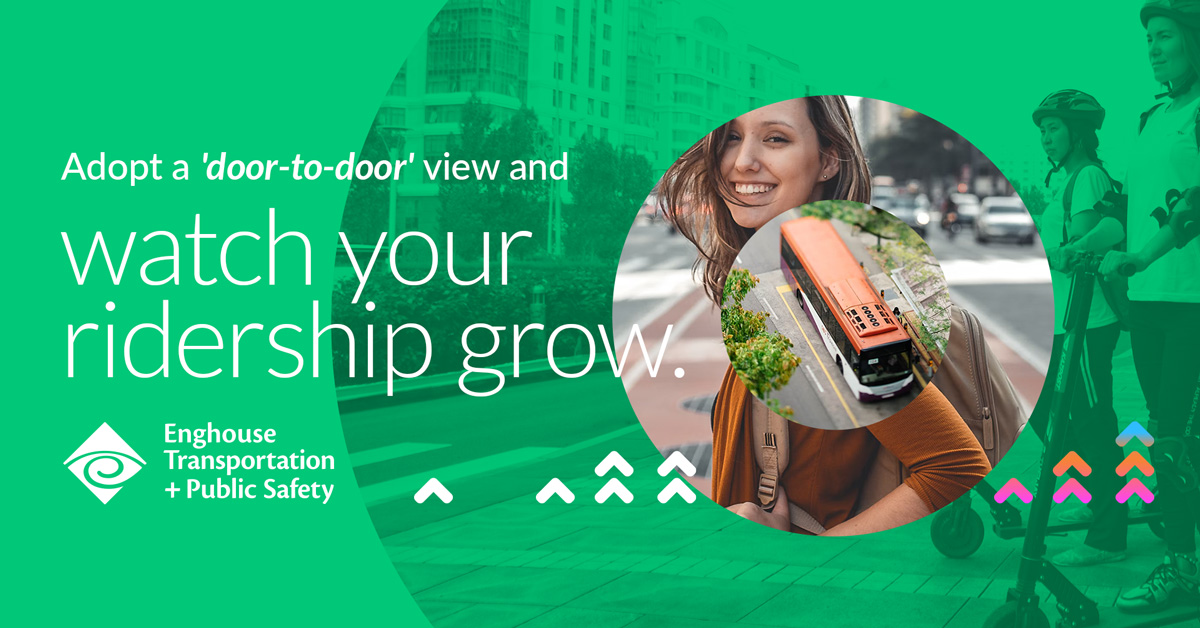
These costs prove transportation agencies can sway Americans to separate from their personal vehicles for many trips — if transit agencies can improve the convenience of the first- and last-mile connections. Transit agencies that embrace tech-based solutions can bring their customers more seamlessly from door to door, watching their ridership grow as a result.
The power of partnerships
Transit agencies have been experimenting with various first- and last-mile solutions for decades, but, for the most part, they have been doing that work alone. This is a missed opportunity: Many micromobility companies have both a wealth of market intelligence and sophisticated solutions, and the vertical is experiencing explosive growth and acceptance in the United States.
These partners — such as TNCs (transportation networking companies, including Uber and Lyft), bike and scooter sharing companies, and shuttle services — as well as parking providers, are eager to work with transit to tap into its customer base as well.
With seamless integration among transit and mobility partners, a door-to-door transit trip might look like this: A person who lives in the suburbs drives their personal vehicle to a park-and-ride lot near a transit station, rides a transit train downtown while checking their email, and then rents an electric scooter to travel the remaining blocks to their workplace.
When the parking provider, the transit system, and the scooter company are partnered and connected, a commuter can make all the payments within the same app, and they could even receive a discount on their parking or scooter rental fee as a perk for using transit.
The rise of micromobility, in short, is a crucial part of the door-to-door equation. The American Public Transportation Association encourages agencies to support micromobility in their cities, even when these modes divert some customers from traditional transit. That’s because all such modes get travelers out of the habit of using their own cars, aligning with transit’s big-picture goals.
How technology closes the loop
The final piece of the door-to-door accessibility puzzle is modern technology. True interconnectivity between transit and its mobility and parking partners begins with automated fare collection (AFC) and account-based ticketing (ABT):
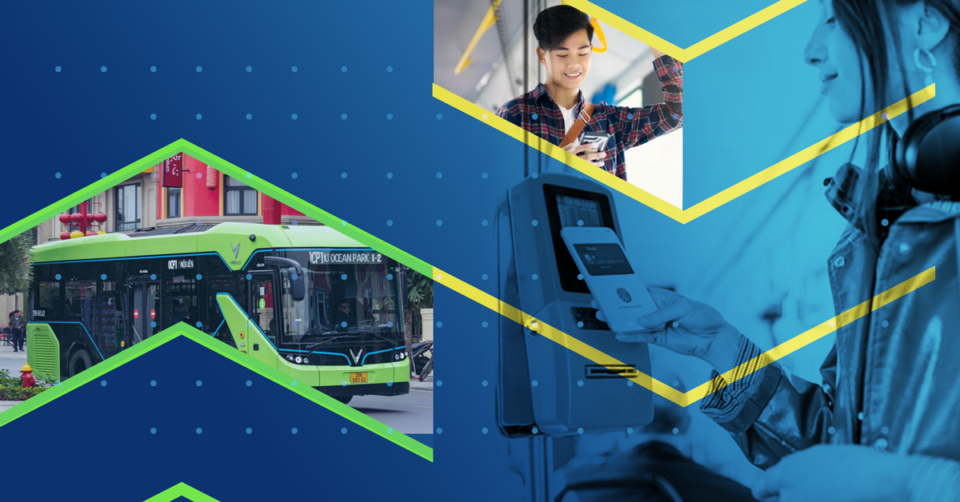
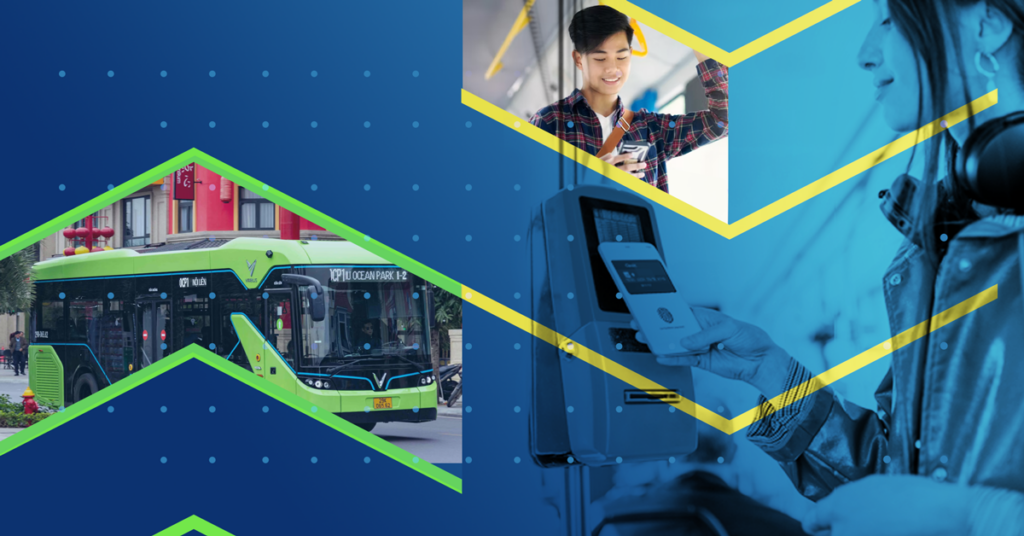
AFC systems use contactless, open-loop payment methods such as credit cards and mobile apps. These make it vastly more convenient to pay, improve boarding times, reduce the need for physical interactions between riders and operators, and enable customers to use the same payment method for every part of their journey.
ABT allows all customer data — the account balance, travel records, applicable discounts, and so on — to be contained in a back-office server rather than a separate transit payment card. This account information can be shared with transit partners to enable connected trip planning, cooperative discounts, and other cross-loyalty programs with third parties.
Once these two systems are in place, it’s easy for transit agencies to plug in new mobility partners and develop pricing schemes, usage-based rewards, and other incentives. Here are a couple of examples of what that could look like:
A customer creates an account that lets them simply tap to enable each part of the trip, whether a park-and-ride lot, a rideshare, a bus, or a bicycle. Then, their weekly travel fees are automatically deducted from their accounts.
The app tallies how many miles the customer has traveled via the transit agency and its partners. Customers are incentivized with freebies or discounts at other local businesses when they hit certain thresholds. Or, the app tells them how much carbon they saved by not driving those same miles.
Transit agencies can easily add or remove promotions and partners from the app without impacting the other programs.
Getting other partners involved
Once sustainable solutions exist for the first- and last-mile problem, transit agencies can take tech-enabled community partnerships a step further.
First, agencies can contact regional employers, inviting them to offer a more sustainable commute as part of the workplace benefits package. Individual workers’ transit accounts can be tied to the company’s, enabling employers to receive a single monthly invoice rather than needing to reimburse each employee separately. This will vastly reduce the hassle and paperwork of reimbursing employees for travel and cut down on the need for costly onsite parking.
Employers can further increase the appeal of a transit benefit by allowing certain workers to “clock in” while they’re still on the train on their way to work. They can keep track of how many automobile miles the company has displaced with transit, rewarding employees when the team hits various milestones. Or they can run promotions such as naming a “Green Employee of the Month.”
Second, transit agencies can partner with other businesses in the community for a variety of cross-promotions. These could be anything from free drinks at local coffee shops to reward frequent transit users to discounted transit trips granted to members of a local food co-op.
This type of partnership is mutually beneficial — but perhaps the most significant benefit is a thriving transit system moving the entire community toward greater sustainability, connectivity, and prosperity.
Outcompeting the car for a better future
Partnering to close the first- and last-mile gap and increase transit ridership is mutually beneficial for transit and its partners, supporting the shared goals of expanding safe, sustainable, and affordable movement around a community.
Enghouse Transportation has nearly 25 years of experience providing technologically advanced solutions and innovations to the transit market. To see how Enghouse can help your agency enable seamless partnerships to close the first- and last-mile gap and increase transit ridership, request a demo today.